We use cookies to make your experience better. To comply with the new e-Privacy directive, we need to ask for your consent to set the cookies. Learn more.

Engineered for Motion
MBT Rocker-Bottom Shoes
The rocker-bottom shape helps create a smoother, more guided step from heel strike to toe-off.


Geometry Shapes the Step
MBT rocker-bottom geometry is designed to change how the foot lands, rolls forward, and releases into the next step.
See the 5 stages of the MBT step
Heel Strike
The curved rocker shape brings heel strike closer to the body’s center of gravity. That helps start the gait cycle more efficiently and supports smoother forward motion.
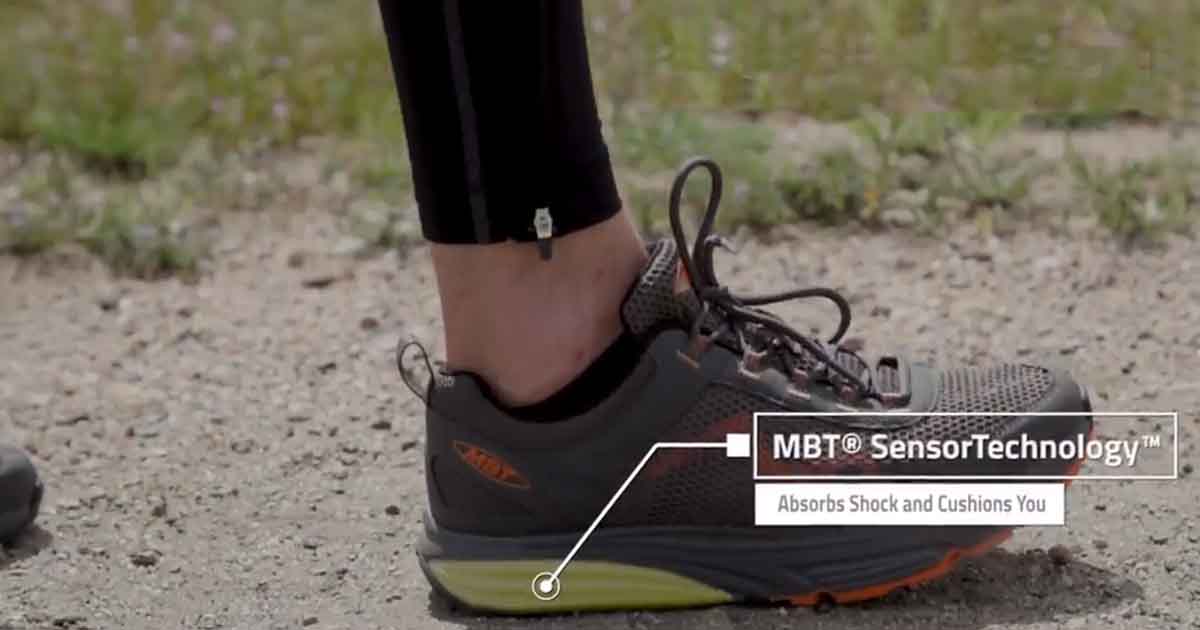
Heel Sensor Absorbs Impact
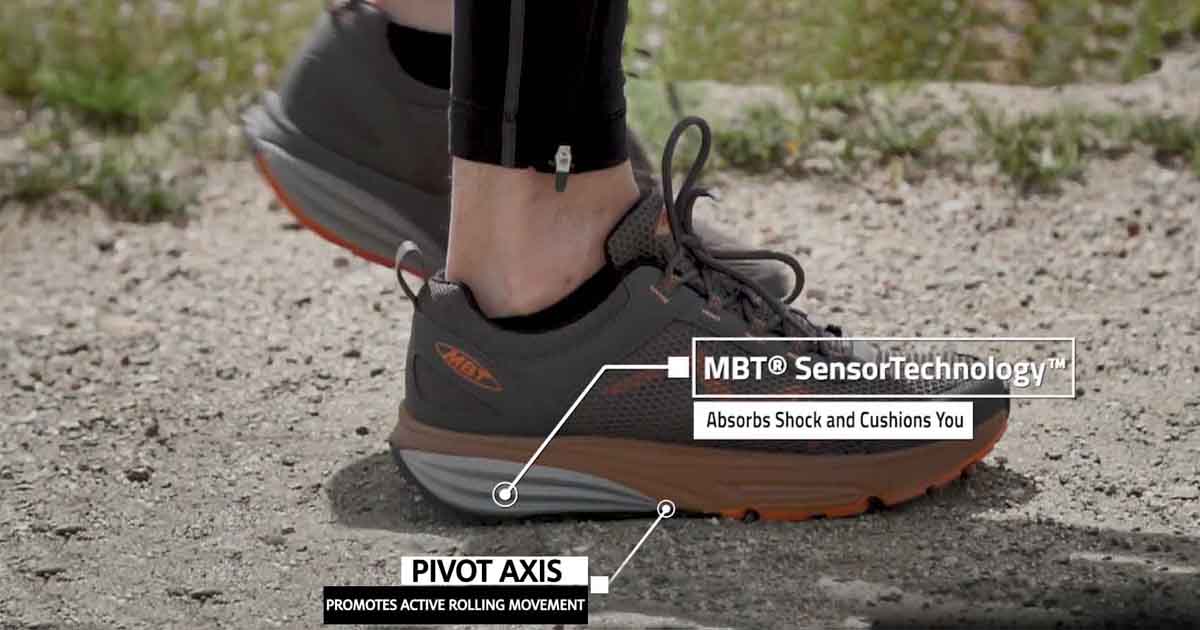
At first contact, the MBT Heel Sensor helps soften landing forces. This cushioning zone reduces harsh impact and supports a smoother move into the rolling step.
Roll Forward
After landing, the rocker geometry helps the body move smoothly over the shoe. As weight shifts forward, the curved sole supports a more fluid and efficient walking motion.
Pivot Axis
As the body moves ahead, the foot rolls over the pivot axis built into the rocker geometry. This is where landing becomes forward progression.
Toe-Off
At the forefoot, the rocker geometry helps guide the foot into toe-off with a smoother release. This encourages forward progression into the next step.

Some walkers want a more stable, controlled feel. Others want a smoother, more guided roll. And some want a more dynamic forward-moving experience. That is why MBT offers three Rock levels — each tuned to a different way of walking.

Level 1 - Low (subtle rocker effect)
More controlled, stable feel with gentler rocker influence.
Best for standing-heavy days, all-day wear, and those newer to rocker geometry.
Level 2 - Moderate (more guided rolling feel)
Smoother guided roll with balanced cushioning and everyday efficiency.
Best for city walking, commuting, travel, and versatile daily movement.
Level 3 - High (more dynamic forward motion)
More pronounced rocker effect with stronger rolling motion.
Best for higher-mileage walking, faster-paced movement, and performance-focused walking days.


How Sole Design Changes the Walk
All MBT soles share the same core motion system — including the Heel Sensor, pivot axis, and rolling rocker geometry. But outsole design changes how that motion feels underfoot.
Shared MBT motion system
Every outsole is built around the same heel-to-toe walking progression. What changes from sole to sole is how flex, structure, and rolling continuity shape the feel of that motion.
Scroll to see how the top 4 performance soles create different walking experiences
Flex grooves + adaptive movement
Flex grooves and segmentation create a more adaptive underfoot feel. This kind of outsole design appears more prominently in Level 1 and Level 2 shoes, where it helps deliver a subtler rocker experience with controlled everyday movement.
Longitudinal + lateral grooves for guided roll
The MBT-2000 also uses flex grooves, but in both longitudinal and lateral directions to shape how the sole moves underfoot. That added structure helps guide the step more deliberately, creating a smoother and more efficient rolling feel for everyday performance walking.
Continuous rolling platform
Level 3 shifts away from prominent flex grooves and toward a more continuous rolling platform. That stronger, less interrupted rocker shape creates a more dynamic and forward-moving walking experience.
Added structure for guided toe-off
The MBT-3000 uses the same Level 3 rolling effect as Huracan, but adds more structure and stability. Increased surface area underfoot creates a more stable platform, while added rigidity helps reduce excessive bending so the rocker shape can guide a smoother, more effective toe-off.